Source eco friendly beads embroidered lace for Wedding Dresses, Headwear, Scarf
Compare 30 listings of eco friendly beads embroidered lace featuring cotton and polyester materials with embroidery and jacquard techniques. Buyers can review specifications like 10-60mm width and 105cm length for wedding dresses, headwear, and scarves.
Key considerations
Products List


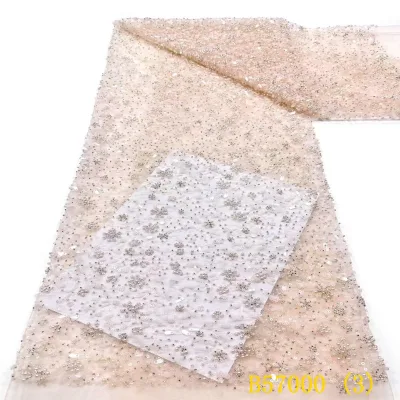


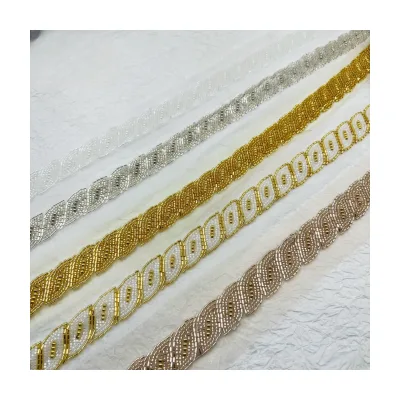
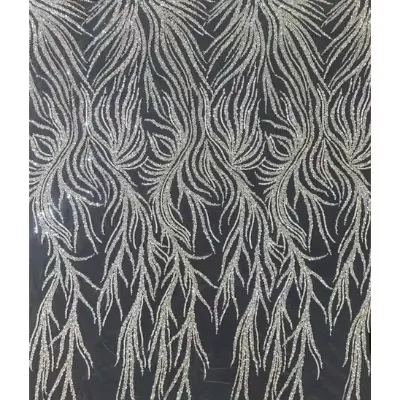
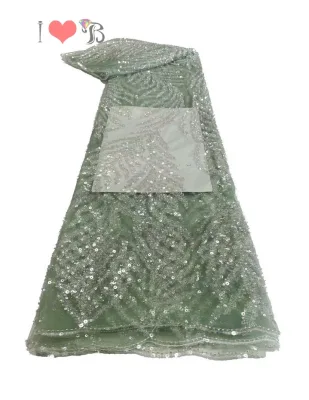


Comprehensive Sourcing Guide
Strategic Sourcing Guide for Eco-Friendly Beads Embroidered Lace
The global textile market has witnessed a significant shift toward sustainable and decorative materials, with eco-friendly beads embroidered lace emerging as a critical component for designers and manufacturers. This guide provides a comprehensive, evidence-based framework for procurement professionals seeking to source this specific category. The focus remains on technical specifications, supply chain verification, and quality assurance, utilizing only verified product attributes and established industry knowledge to ensure accurate decision-making.
Understanding Technical Specifications and Material Composition
When sourcing embroidered lace, particularly those incorporating beads, the foundational step is defining the technical parameters that align with the intended application. The material composition is a primary differentiator. Available data indicates that suppliers offer lace constructed from natural fibers such as cotton, as well as synthetic options like polyester, and blended variants like cotton/polyester. The choice between these materials dictates the drape, durability, and environmental footprint of the final product. For instance, cotton-based laces are often preferred for their breathability and natural feel, while polyester options provide high tenacity and abrasion resistance, making them suitable for high-wear applications.
The manufacturing process is equally critical. The "embroidered" designation in the core keyword implies a specific production technique where threads are stitched to create patterns. Verified product attributes confirm that the lace craft involves "embroidery lace" techniques, often executed with specific manual processes such as "flower" motifs or "around" stitching. The presence of beads adds a layer of complexity, requiring precise coordination between the embroidery thread and the bead placement. Buyers must verify if the bead application is integrated into the "embroidery lace" structure or applied as a secondary embellishment. Furthermore, the width of the lace is a standard specification that varies significantly; observed ranges include widths from 10mm to 60mm for certain models, while others may be specified in broader units like 105cm or 120cm. The shrinkage properties are also a key technical consideration, with some products explicitly noted for "low shrinkage" to ensure dimensional stability after washing.
Compliance, Certification, and Environmental Standards
The term "eco-friendly" in the product keyword necessitates a rigorous approach to compliance and certification. While the core keyword suggests sustainability, procurement teams must not assume that all listed products automatically meet specific environmental standards without verification. The supply chain for embroidered lace often involves dyeing processes, and the data indicates that "dyed" production methods are common, including the use of "different color thread" and specific "dyeing" techniques.
Buyers should prioritize suppliers who can demonstrate adherence to recognized safety and environmental standards. Although specific certification statuses for every product cannot be universally asserted without direct supplier confirmation, the industry standard for eco-friendly textiles often involves verification against OEKO-TEX standards. This standard ensures that the final textile product is free from harmful substances, which is crucial for items used in clothing and home textiles. Procurement teams must request specific test reports or certification documents from potential suppliers to validate these claims. Additionally, the "quality" attribute of "100% QC Passed" suggests that internal quality control is a standard practice, but this should be complemented by third-party environmental audits to substantiate the "eco-friendly" designation.
Cost Drivers and Pricing Dynamics
The pricing of embroidered lace with beads is influenced by a complex interplay of material costs, labor intensity, and order volume. The observed price range in the market spans from $0.01 to $18 per unit, a wide variance that reflects differences in material quality, design complexity, and bead density. High-tenacity and low-shrinkage properties, while desirable, may command a premium if they require specialized processing.
Minimum Order Quantity (MOQ) is another significant cost driver. The market data reveals an MOQ range from 1 unit to 5,000 units. For smaller buyers or those testing new designs, suppliers offering low MOQs are essential. However, larger orders often benefit from economies of scale. Specific product models indicate MOQs such as 500 yards per color, which can impact the total cost of ownership for large-scale production runs. Buyers must balance the unit price against the total volume required to meet their production schedules. Additionally, customization availability is a key factor; while "customization" is listed as available, this often incurs additional setup costs or higher per-unit prices compared to standard stock items. The packing method, ranging from individual polybags to bulk cartons, also influences logistics costs and should be factored into the total landed cost calculation.
Typical Applications and Design Integration
The versatility of embroidered lace determines its market reach. Verified product attributes highlight a diverse range of applications, including "wedding dresses," "headwear," "scarves," and general "garment" use. The "trimming" style and "hollow-out" designs are particularly suited for high-end fashion and bridal wear, where aesthetic detail is paramount. In the home textile sector, these laces are utilized for "home textile decoration," adding texture and elegance to bedding, curtains, and upholstery.
The pattern types observed, such as "sewing" patterns and "geometry" designs, offer designers flexibility in creating unique visual effects. The "flower" manual process suggests that nature-inspired motifs are prevalent, which aligns with the eco-friendly aesthetic often sought by modern consumers. When integrating beads into these designs, the weight and texture of the lace must be considered to ensure the final garment hangs correctly. For instance, a lace with heavy bead embellishments may require a stiffer backing or a specific type of fabric to prevent sagging. The "color production" methods, including "dyed" and "various" color options, allow for extensive customization to match specific brand palettes or seasonal trends.
Supplier Evaluation and Verification Protocols
Selecting the right supplier requires a systematic evaluation process that goes beyond price comparison. The origin of the products is a critical factor; the data indicates that many suppliers are located in "Zhejiang" and "Zhejiang Ningbo, China," regions known for their textile manufacturing capabilities. Buyers should verify the specific factory location to assess logistics lead times and potential supply chain risks.
Supplier reliability can be gauged through their production capabilities and quality assurance protocols. The presence of "100% QC Passed" attributes suggests a commitment to quality, but buyers should request detailed quality control reports and inspection procedures. The ability to handle "customization" is another indicator of a supplier's flexibility and technical proficiency. Suppliers that offer "as your request" packing options demonstrate a customer-centric approach, which is valuable for buyers with specific logistical needs. Furthermore, the "manual process" descriptions, such as "code" or "embroidery lace fabric," indicate the level of human involvement in production, which can affect consistency and lead times. Buyers should inquire about the ratio of manual to automated processes to understand the potential for production bottlenecks.
Quality Control and Long-Term Procurement Strategy
Maintaining consistent quality is paramount in the procurement of embroidered lace. The "high quality" standard mentioned in the product data serves as a baseline, but buyers must establish their own rigorous quality control metrics. Key areas of focus include the integrity of the bead attachment, the consistency of the embroidery stitch, and the colorfastness of the dyed threads. The "abrasion resistance" and "high tenacity" attributes are critical for ensuring the lace withstands wear and tear, particularly in applications like clothing and home textiles.
For long-term procurement, building a sustainable relationship with suppliers is essential. This involves clear communication regarding specifications, such as the "10-60mm width" or "18-24cm" dimensions, and ensuring that the supplier can consistently meet these requirements. The "inner packing" (polybag) and "outer packing" (polybag + carton) specifications should be standardized to prevent damage during transit. Additionally, buyers should consider the environmental impact of the packaging materials, aligning with the "eco-friendly" ethos of the product.
Comparative Analysis of Product Attributes
To facilitate decision-making, the following table summarizes key attributes observed across different product models, highlighting the variations in specifications that buyers should consider.
| Attribute | Model XDBL-073 | Model XDPL-039 | Model XHH-001 | Model S011432A | Model F-M009941 | Model M112872 |
|---|---|---|---|---|---|---|
| Material | Cotton | Polyester | White (Material not specified) | Not specified | Cotton/Polyester | Cotton/Polyester |
| Width/Standard | 10-60mm | 18-24cm | High Quality | 105cm | Customized | 120cm |
| Technics | Embroidered | Jacquard | Embroidery Lace Fabric | Not specified | Flower | Flower |
| Packing | Carton | Polybag + Carton | 25yards/Card | 30-45yds/Roll | Not specified | 15yds/PC |
| Origin | Zhejiang | Not specified | Zhejiang Ningbo, China | China | Not specified | Not specified |
| Color | Dtm | White, Various | White | Not specified | Not specified | Dyeing |
| MOQ | Not specified | Not specified | Not specified | Not specified | 500yds/Color | Not specified |
This comparison underscores the importance of matching specific product attributes to project requirements. For example, if a project requires a specific width like 120cm, Model M112872 would be a relevant candidate. Conversely, if a low MOQ is critical, buyers must investigate models where the MOQ is not explicitly high, such as those allowing for "as your request" packing or lower unit thresholds.
Final Procurement Considerations
In conclusion, sourcing eco-friendly beads embroidered lace requires a balanced approach that integrates technical precision with strategic supplier management. Buyers must navigate the diverse landscape of materials, from pure cotton to polyester blends, while ensuring that the "eco-friendly" claim is substantiated through verified certifications and sustainable practices. The wide range of applications, from bridal wear to home textiles, demands a flexible supply chain capable of handling various customization requests and quality standards. By adhering to the verification protocols outlined in this guide, procurement professionals can secure high-quality, sustainable materials that meet the rigorous demands of the modern market. The key lies in meticulous specification matching, rigorous supplier evaluation, and a commitment to ongoing quality assurance to ensure long-term success in the supply chain.
FAQs
What materials are used for eco friendly beads embroidered lace?
Suppliers offer lace made from cotton, polyester, or cotton-polyester blends. These materials provide different properties like breathability or high tenacity, allowing buyers to select based on specific application needs such as wedding dresses or home textiles.
Can I customize the width and pattern of the lace?
Customization is available for width, pattern, and color production. Buyers can request specific dimensions like 10-60mm or 120cm, and choose from geometry, flower, or hollow-out styles to match their design requirements for garments or accessories.
Which suppliers offer low minimum order quantities for this lace?
Minimum order quantities range from 1 to 5000 units depending on the supplier and model. Some vendors allow flexible packing requests, while others may require 500 yards per color, so buyers should verify specific MOQs before placing orders.
How is the quality of the embroidered lace verified?
Many products undergo a 100% quality control check before shipping. Buyers should also request third-party test reports to verify environmental standards like OEKO-TEX, ensuring the lace is free from harmful substances and meets safety requirements.
What are the typical applications for this type of lace?
This lace is commonly used for wedding dresses, headwear, scarves, and home textile decoration. Its versatility allows integration into clothing trimming, hollow-out designs, and various garment applications requiring durable and decorative elements.
Where are the manufacturers of this lace located?
Most suppliers are located in Zhejiang and Zhejiang Ningbo, China. These regions are known for textile manufacturing capabilities, and buyers should consider these locations when calculating logistics lead times and supply chain risks for their orders.